
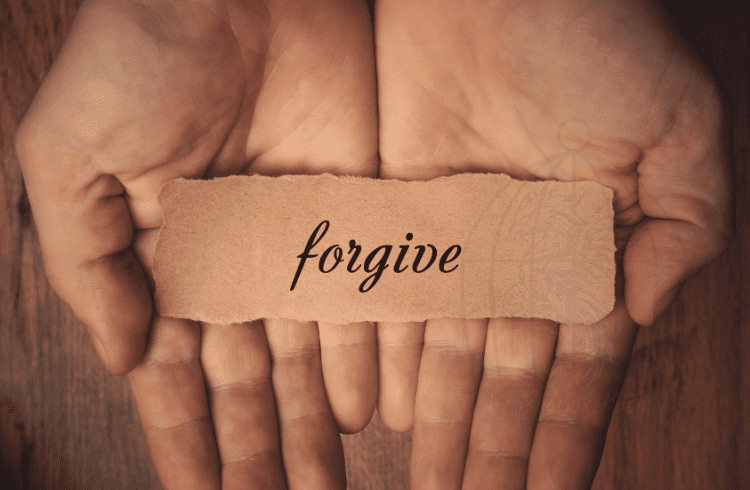
Forgiveness: By Phoenix Rising
Hello empresses, and welcome back to another blog segment where we talk about the hard stuff the stuff that makes us uncomfortable, the stuff we’d rather avoid, the stuff that’s easier to sweep under the rug than deal with. Today, we’re diving into forgiveness, and before you click away thinking this is going to be some preachy, “kumbaya,” let-bygones-be-bygones type of message, hold up. This is the real deal, straight from someone who’s had to practice what she’s preaching while sitting in a place where forgiveness feels impossible.
The Forgiveness Myth
To some people, forgiving someone means that you’re “weak” or that you’re letting the other person off the hook. I used to think that too. I thought forgiveness meant you were a doormat, a pushover, someone who didn’t have enough backbone to stand up for themselves. Forgiveness was saying, “Hey, go ahead and walk all over me. It’s cool. I’ll smile and take it.”
But let me tell you something I’ve learned during my time in here, empresses:
Forgiveness is not a sign of weakness, but a sign of growth and strength. It’s one of the most powerful things you can do for yourself not for the person who hurt you, but for YOU. Because when you forgive, you’re making the conscious decision not to let the other person’s shenanigans, wicked ways, toxic behavior, or straight-up foolishness determine your actions or response.
You’re taking back your power.
And trust me, that takes more strength than holding onto bitterness, more courage than clinging to rage, and more maturity than most people will ever develop in their entire lives.
I HAVE THE UPPER HAND BECAUSE IF I DON’T CALL, WE DON’T SPEAK.
Let that sink in for a minute. The person trying to control me, trying to manipulate me, trying to make me feel small? They have no power if I don’t give it to them. They can’t control me if I don’t engage. They can’t hurt me if I don’t let them.
The Biblical Blueprint for Forgiveness
Now, I know some of y’all are reading this thinking, “Phoenix, how do you forgive someone like that? How do you forgive someone who’s supposed to love you but treats you like the enemy?”
Let me take you to the Bible for a minute because even though I’m far from perfect—clearly, since I’m writing this from prison—I know that there’s wisdom in Scripture that applies to situations like this.
Ephesians 4:31-32 says: “Get rid of all bitterness, rage and anger, brawling and slander, along with every form of malice. Be kind and compassionate to one another, forgiving each other, just as in Christ God forgave you.”
Y’all, when I first read that verse while I was going through this situation, I wanted to throw my Bible across the room (but I didn’t because, you know, it’s the Bible and also they’d probably write me up for property destruction, lmao). But seriously, I was sitting there like, “God, you’re asking me to forgive someone who’s actively making my life harder? Someone who’s using my kids as leverage? Someone who seems to enjoy my pain?”
But then I kept reading and studying, and I came across Colossians 3:13: “Bear with each other and forgive one another if any of you has a grievance against someone. Forgive as the Lord forgave you.”
That hit different. Because it made me realize that forgiveness isn’t about the other person deserving it, it’s about me needing to be free from the prison of bitterness and resentment. I’m already in a physical prison, empresses. I didn’t need to be in an emotional and spiritual one, too.
Jesus even took it further in Matthew 18:21-22 when Peter asked how many times he should forgive someone—seven times? And Jesus said, “I tell you, not seven times, but seventy-seven times.” Basically, forgiveness isn’t a one-time thing. It’s a lifestyle. It’s a choice you make repeatedly.
That doesn’t mean you stay in toxic situations. That doesn’t mean you let people abuse you. It means you free yourself from the burden of carrying hatred in your heart.
What Did I Do? I FORGAVE.
Since I am in prison, I had to realize that this person is someone who thrives on control and power dynamics, someone who will always try to manipulate situations to their advantage. I had to accept that this is who they are, and wishing they were different wasn’t going to change reality.
I made a decision: I FORGAVE THEM.
Not because they asked for it. Not because they deserved it. Not because they changed their behavior, apologized, or even acknowledged the pain they caused. I forgave them because I decided I’m not going to let someone else’s need for control to control me any longer.
I made PEACE with knowing that some people will never change, but YOU CAN. And that all starts with deciding to FORGIVE, BUT DON’T EVER FORGET.
Forgive But Don’t Forget:
Now, I know there’s a famous saying that goes “Forgive and forget,” and I’m about to say something controversial here: I think that’s foolish.
Wait, hear me out before you comment.
Forgiving someone doesn’t mean you develop amnesia about what they did. Forgiving someone doesn’t mean you erase the lessons you learned from their betrayal. Forgiving someone doesn’t mean you put yourself right back in the same situation to get hurt again.
While it may sound like you’re holding a grudge when you “don’t forget,” it’s actually just wisdom. It’s knowing where people crossed the line before so you can set better boundaries in the future. It’s remembering who showed their true colors so you can protect yourself accordingly. It’s learning from the pain, so you don’t have to repeat the lesson.
Proverbs 22:3 says: “The prudent see danger and take refuge, but the simple keep going and pay the penalty.”
In other words, God gave you a brain and discernment for a reason. Use them.
You can forgive someone for burning you and still choose not to hand them matches anymore. That’s not being unforgiving that’s being wise.
The Benefits of Forgiveness (AKA Why You Should Actually Try This)
Let me tell you what happened when I decided to forgive:
I slept better. No joke, empresses. When you’re not carrying rage and bitterness around all day, you actually rest at night.
I stopped giving them power over my emotions. They couldn’t make me angry anymore because I’d already released them from the expectation that they would be who I needed them to be.
I could focus on what actually matters. Instead of spending my mental energy on someone who doesn’t deserve it, I could focus on my kids, my writing, my growth, my future.
I felt lighter. Unforgiveness is HEAVY. It’s like carrying around a backpack full of rocks everywhere you go. Forgiveness is setting that backpack down and walking away free.
I could actually hear God. When your heart is full of bitterness, there’s no room for anything else—not peace, not joy, and definitely not God’s voice guiding you.
The Forgiveness Challenge
Alright, empresses, here’s where I challenge you. I want you to think about someone in your life who’s hurt you—someone you’re still carrying bitterness toward, someone who still takes up space in your mind and heart even though they may not even be thinking about you.
I want you to try something radical: Forgive them.
Not for them. FOR YOU.
Here’s the challenge, step by step:
Step 1: Write it down
Get a piece of paper and write out exactly what this person did and how it made you feel. Get it all out. Be honest. Be raw.
Step 2: Pray about it
Ask God to help you release the bitterness. If you’re not religious, meditate on it. Talk to the universe. Whatever works for you spiritually.
Step 3: Make the declaration
Say out loud (yes, OUT LOUD): “I forgive [person’s name] for [what they did]. I release them, and I release myself from carrying this burden.”
Step 4: Set boundaries
Decide what your relationship with this person will look like moving forward. Maybe it’s limited contact. Perhaps it’s no contact. Maybe it’s a surface-level relationship with firm boundaries. Whatever it is, decide and stick to it.
Step 5: Don’t forget the lesson
Remember what happened so you can protect yourself in the future. This isn’t holding a grudge—it’s being wise.
Step 6: Share your experience
If you take on this challenge, I’d love to hear about it. Share your story (however you feel comfortable) to encourage others. Your testimony might be precisely what someone else needs to hear.
The Final Word
Empresses, forgiveness is hard. It’s one of the hardest things we’ll ever have to do, especially when the person who hurt us doesn’t think they did anything wrong, doesn’t apologize, or continues the same behavior.
But forgiveness isn’t for them. It’s for you. It’s your superpower, your freedom, your way of reclaiming control over your life and achieving peace.
I’m learning this lesson in real-time from inside a prison, separated from my kids, dealing with family dysfunction, navigating betrayal, and trying to build a better future. If I can forgive from in here, you can forgive from out there.
Don’t let someone else’s toxicity keep you imprisoned. Forgive, set boundaries, and keep moving forward.
Remember: Some people will never change, but you can. And it all starts with forgiveness.
With love, strength, and hard-earned wisdom,
Phoenix Rising
Mother. Writer. Forgiveness Warrior. Still Learning.
Bible Verses for Your Forgiveness Journey:
• Ephesians 4:31-32
• Colossians 3:13
• Matthew 18:21-22
• Proverbs 22:3
• Matthew 6:14-15
• Luke 6:37
P.S. If you take the Forgiveness Challenge, remember: It’s a process, not a one-time event. Be patient with yourself. Some days will be easier than others. But every step toward forgiveness is a step toward freedom. You’ve got this, empress.